Have you ever left a salon expecting a beautiful ash brown, only to notice orange tones appearing under natural sunlight? Perhaps your roots look lighter than your ends, or an at-home colouring experiment has left your hair with several different shades. Uneven colour can be frustrating, especially when you have spent time and money trying to achieve your ideal look.
The good news is that many colour concerns can be improved with the right professional approach. However, correcting unwanted tones is not always as simple as applying another dye. Understanding what went wrong is the first step towards achieving a balanced, natural-looking result.
Why Does Hair Colour Turn Brassy or Uneven?
Brassy tones commonly appear when the underlying warm pigments in your hair become visible after colouring or lightening. Dark hair naturally contains warm pigments, so lifting it to a lighter shade can reveal red, orange or yellow undertones.
Several factors can contribute to an uneven result:
- Previous colour history: Old artificial colour, box dye and overlapping chemical services can affect how different sections respond.
- Uneven lightening: Some areas may lift faster than others, leaving contrasting shades throughout the hair.
- Porous ends: Dry or damaged ends may absorb colour differently from healthier roots.
- Colour fading: Frequent washing, heat styling and prolonged sun exposure can gradually change the appearance of dyed hair.
Your desired shade also matters. Ash brown, beige blonde and cool mocha colours often require careful control of warm undertones. If your starting colour is very dark, reaching these shades may require more than one appointment.
Natural-looking brunettes, soft beige tones and dimensional colours remain attractive choices for clients who want a polished finish without an obviously artificial appearance. The important thing is choosing a result that suits your hair’s current condition.
Can Toner Fix Brassy Hair?
Toner can help neutralise unwanted undertones, but it is not a universal solution.
Purple-based products are commonly used to counter yellow tones, while blue-based formulas can help reduce orange warmth. The correct choice depends on the colour you currently have and the shade you want to achieve.
There is an important difference between toning and lightening. Toner can adjust the appearance of an existing colour, but it generally cannot lift dark artificial pigment to create a much lighter shade.
If your hair is patchy, very dark in certain sections or unevenly bleached, applying toner alone may not produce a consistent result. A professional colourist needs to determine whether the hair requires tonal adjustment, targeted lightening, colour balancing or a more gradual correction plan.
What Happens During a Professional Colour Correction?
A successful correction begins with a consultation rather than immediately applying another colour.
During a hair colour correction in Johor Bahru appointment, a stylist should assess your hair history, current shade and overall condition before recommending a technique.
- Review previous treatments: Be honest about earlier dyes, bleach, henna, perms and home colouring products.
- Identify uneven areas: The stylist should examine darker bands, lighter patches, visible warmth and differences between the roots and ends.
- Assess hair condition: Dryness, excessive stretching and breakage may indicate that further chemical processing needs to be reconsidered.
- Discuss your target shade: Your desired result may be achievable in one session, or it may require several appointments.
- Plan the correction: Depending on the problem, the stylist may recommend colour removal, controlled lightening, toning or a darker blending shade.
A strand test can help assess how the hair responds before a larger chemical service begins. This is especially useful when the colour history is complicated or the hair already feels fragile.
Why Colour Correction Should Never Be Rushed
One common mistake is trying to fix every colour problem in a single session. Repeated bleaching or applying permanent colour over unpredictable sections can increase dryness and breakage.
Sometimes, the best first step is a darker, more blended result while the hair’s condition is assessed. For example, someone with heavily bleached, orange hair may benefit from a softer brunette shade rather than immediately attempting a very light blonde.
Another client with mild yellow tones might only need a carefully selected toner and gloss. Both situations involve colour correction, but the appropriate solutions are different.
A responsible stylist should explain the likely outcome, possible limitations and estimated maintenance before starting. If your hair cannot safely tolerate the requested transformation, a gradual approach is preferable to chasing a photograph at the expense of its condition.
How to Maintain Your Corrected Hair Colour
Once the colour is balanced, consistent aftercare helps preserve its appearance between salon visits.
- Choose suitable shampoo: A colour-compatible formula can help cleanse the hair without unnecessary dryness.
- Condition regularly: Apply conditioner through the lengths and ends to improve softness and manageability.
- Reduce excessive heat: Use a heat protectant before blow-drying, straightening or curling.
- Wash according to your scalp’s needs: Avoid unnecessary washing, but do not leave an uncomfortable or sweaty scalp unclean simply to preserve colour.
- Protect your hair outdoors: Hats and practical sun protection can help limit prolonged exposure.
- Use toning products selectively: Purple or blue shampoo may help with particular undertones, but overuse can leave unwanted colour deposits.
Malaysia’s warm, humid weather can also make frizz more noticeable. A suitable conditioning routine and manageable haircut can help your colour look smoother without requiring constant heat styling.
Choosing a Salon for Your Colour Transformation
When searching for a City Square JB Hair Salon, look beyond attractive before-and-after photographs. Ask whether the stylist offers consultations, considers previous chemical treatments and explains what is realistically achievable.
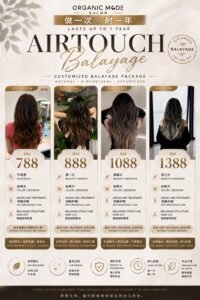
Organic Mode Salon offers creative colour services, including balayage, ombre and babylights. Discuss your colour goals, budget and hair condition before deciding which service is appropriate.
Final Thoughts
Uneven or brassy colour does not automatically mean your hair is beyond improvement. With an accurate assessment, suitable techniques and realistic expectations, many colour concerns can be addressed without rushing into another damaging process.
The key is understanding why the problem occurred before attempting to correct it. Choose a stylist who prioritises your hair’s condition alongside the final shade, and maintain your results with consistent aftercare. Beautiful colour is not simply about reaching the right tone; it is about finding a result that suits you and remains manageable long after your appointment.