Thinking about changing your hair colour but unsure which technique to choose? You may have saved pictures of soft caramel balayage, cool beige highlights or beautifully blended blonde hair on social media. They look equally attractive in photographs, yet the techniques used to create them can be quite different.
Choosing the right method is not simply about following the latest trend. Your natural hair colour, previous chemical treatments, desired brightness and willingness to maintain your roots all influence the final result.
Let’s explore three popular colouring techniques to help you decide which one suits your hair and lifestyle.
What Is Balayage?
Balayage is a freehand colouring technique in which a colourist paints lightener or colour onto selected sections of hair. The placement is customised to create a softer transition between your natural base and the lighter pieces.
Rather than producing a uniform pattern from root to tip, this method often creates a graduated effect, with brightness concentrated through the mid-lengths and ends.
Balayage is ideal if you want:
- A natural-looking, sun-kissed finish.
- Soft dimension without an obvious line of regrowth.
- Warm caramel, honey, beige or brunette tones.
- A colour that can grow out more subtly than traditional highlights.
Lived-in colour remains appealing because it combines dimension with a more relaxed maintenance routine. Rich brunettes, soft bronde and warm, glossy shades are versatile options for people who prefer understated colour.
However, this technique is not automatically damage-free or maintenance-free. The amount of lightening required depends on your starting shade and desired result. Dark hair may need several sessions to achieve a significantly lighter finish.
What Is AirTouch Colouring?
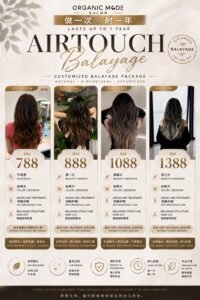
AirTouch is a sectioning technique that uses a hairdryer to blow shorter strands away from a selected section before the remaining hair is coloured. The aim is to create a softer, more diffused blend between lighter and darker strands.
Because the technique depends on careful sectioning and placement, it can produce a refined, dimensional finish with less obvious transitions.
AirTouch may suit you if you want:
- A soft blend between your natural roots and lighter lengths.
- Fine, diffused highlights rather than strong, uniform stripes.
- Dimension that looks polished from different angles.
- A customised blonde or brunette colour with carefully controlled placement.
AirTouch can be particularly attractive for clients seeking an elegant, blended result. However, the process can take considerable time because the stylist must separate and work through many sections individually.
It also requires technical skill and a careful assessment of the hair. If your hair has already been bleached repeatedly or is fragile, the colourist may recommend a more conservative approach rather than pursuing maximum brightness in one appointment.
What Are Traditional Highlights?
Traditional highlights involve separating sections of hair and applying colour or lightener, commonly using foils to isolate the selected strands.
Unlike freehand painting, foiled highlights allow the colourist to create more consistent placement and lift. The result can range from fine, subtle babylights to brighter, more noticeable streaks.
Highlights are worth considering if you want:
- More noticeable brightness throughout your hair.
- A structured pattern of lighter strands.
- A brighter look around your face or across the crown.
- A colour transformation that can be adjusted from subtle to bold.
Highlights are versatile, but the root area may become more noticeable as your hair grows, depending on how close to the scalp the colour is applied. Regular root maintenance may therefore be necessary.
For clients who want dimension without lightening every section, partial highlights can be a practical alternative to a full-head service.
Balayage vs AirTouch vs Highlights: What Are the Main Differences?
Although all three methods can create dimension, their application and typical results differ.
- Balayage: Best known for freehand placement and a soft, graduated appearance.
- AirTouch: Uses airflow to separate shorter strands, helping create a fine, diffused blend.
- Highlights: Commonly use foils to achieve controlled placement and more consistent lightening.
None is universally better than the others. A skilled colourist can adapt each technique to different hair lengths, textures and colour goals.
It is also important to remember that the technique alone does not determine the final shade. The lightener, toner, starting colour, hair condition and colourist’s skill all influence the outcome.
Which Technique Suits Your Hair and Lifestyle?
Before booking, consider three practical questions.
How light do you want to go?
If you prefer subtle warmth and a natural finish, balayage may be suitable. If you want a more diffused blend or brighter, evenly distributed sections, AirTouch or highlights may be worth discussing.
How often can you visit the salon?
Balayage and carefully blended AirTouch can allow for softer regrowth, although maintenance still depends on the placement and contrast. Traditional highlights may require more frequent root appointments if the colour begins close to the scalp.
What condition is your hair in?
If your hair is dry, fragile or previously bleached, the stylist should assess whether additional lightening is appropriate. A strand test may help evaluate how the hair responds before committing to a larger service.
Do not choose a technique solely because it looks beautiful on someone else. The same method can produce different results on different hair, and photographs may be affected by lighting, filters and professional styling.
How to Maintain Your New Hair Colour
Regardless of the technique, proper aftercare helps preserve the appearance and feel of coloured hair.
- Use colour-compatible shampoo and conditioner suited to your hair type.
- Reduce excessive heat styling and apply heat protectant when using hot tools.
- Condition your lengths and ends to improve softness and manageability.
- Protect your hair from prolonged sun exposure where practical.
- Schedule maintenance according to your colour rather than following someone else’s appointment calendar.
Malaysia’s humid climate can make frizz more noticeable, particularly on porous or chemically processed hair. Lightweight leave-in products and a suitable drying technique can help keep your style more manageable.
Avoid using purple shampoo simply because you have highlights. It is most useful for certain unwanted yellow tones and should be selected according to your actual colour needs.
Where Can You Get a Personalised Colour Consultation?
If you are comparing techniques at a hair salon in jb, bring a few reference photographs showing the colours you like. Include pictures taken in natural light, as salon lighting and photo filters can make shades appear different.
Tell your stylist whether you have previously coloured, bleached, permed or straightened your hair. This information helps them plan a realistic result and identify possible risks.
Organic Mode Salon offers creative colour services, including balayage, AirTouch, ombre and babylights. A consultation can help determine which approach suits your starting colour, hair condition and maintenance preferences.
Final Thoughts
Balayage vs AirTouch vs Highlights can all create beautiful, dimensional hair colour, but they achieve their results in different ways. The right choice depends on the finish you want, your hair’s current condition and how much upkeep fits your routine.
Rather than asking which technique is the most fashionable, ask which one will give you a result you can realistically maintain. With a thoughtful consultation and suitable aftercare, your new colour can feel personal, flattering and practical long after you leave the salon.