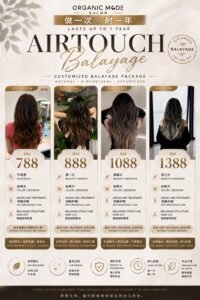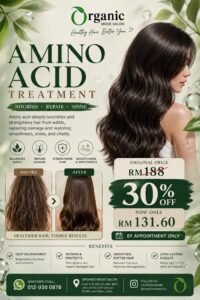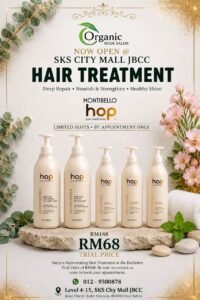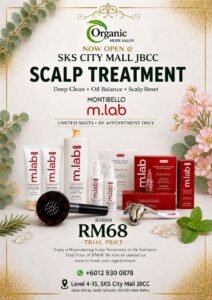
Choosing a salon used to be mostly about the cut, colour and price. In 2026, clients are asking sharper questions: what is being applied to my scalp, how transparent are the ingredients, and can a service deliver polished results without unnecessary harshness? An organic salon answers those concerns through a more considered approach to products, consultation and long-term hair health. The label alone is not enough, though. Here is what should genuinely set an organic hair salon in Johor Bahru apart.
1. Organic Haircare Is an Approach, Not a Decoration
Look beyond green packaging: Leaves on a bottle and words such as “pure” or “clean” do not automatically prove that a formula is organic. A responsible salon should be willing to explain which products contain certified organic or natural-origin ingredients, who makes them and why they were selected.
Expect honest language: No salon product is suitable for every person. Botanical extracts and essential oils may still cause sensitivity, so credible stylists avoid promising that “natural” means risk-free. They ask about allergies, previous reactions and scalp conditions before recommending a service.
Value the full philosophy: Organic-minded haircare usually combines thoughtful formulation, reduced waste, ethical sourcing and a gentler service culture. It is less about one fashionable ingredient and more about making better decisions at every stage.
2. Green Chemistry Connects Nature With Performance
Choose effectiveness as well as gentleness: Modern green chemistry aims to create high-performing products while reducing avoidable environmental and health impacts. In a salon, that may mean carefully formulated ammonia-free colour, plant-derived conditioning ingredients or processing methods designed to limit stress on the hair.
Ask how the system works: A good stylist can explain the purpose of the colour, developer, treatment and aftercare in plain English. If every question is answered with vague claims about “detoxing” or “chemical-free” beauty, be cautious. Water, plant extracts and salon products are all made of chemicals; the real issue is responsible formulation and use.
Expect realistic results: Gentler does not mean instant. A major colour change may still require several appointments, especially when hair has been box-dyed, bleached or repeatedly straightened.
3. The Consultation Starts With Your Scalp and Hair History
Share the complete picture: Mention old colour, henna, rebonding, perming, medication-related changes, heat habits and anything that has caused itching or discomfort. These details affect both product choice and processing time.
Welcome a scalp-first conversation: Personalised scalp care is one of 2026’s strongest beauty directions. Rather than offering the same scrub to everyone, the salon should distinguish between oiliness, dryness, flakes, sensitivity and product build-up. Persistent, painful or sudden concerns should be referred to a medical professional.
Let the stylist assess condition: Porosity, elasticity, density and breakage help determine what your hair can safely handle. Sometimes the best recommendation is a restorative plan before colour or texture work.
4. Colour Services Should Balance Tone, Comfort and Upkeep
Discuss the ingredients: If ammonia-free colour, vegan formulas or reduced-fragrance options matter to you, say so before booking. Ask whether a patch test is recommended and follow the salon’s timing instructions.
Choose wearable colour: Rich brunettes, soft beige tones, blended roots and dimensional highlights remain popular in 2026 because they look refined and grow out gracefully. Your stylist should adapt any trend to your skin tone, starting colour, workplace and maintenance budget.
Plan for fading: Johor Bahru’s heat, humidity, frequent washing and sun exposure can affect colour longevity. Ask about water temperature, UV protection, suitable cleansers and when a gloss or toner may be needed.
5. Treatments Should Have a Clear Purpose
Name the goal: “Hair treatment” can mean moisture, protein support, smoothing, bond care or scalp cleansing. The salon should explain what the service is intended to improve and what it cannot repair.
Avoid treatment overload: More products do not always produce healthier hair. Fine hair may become flat with heavy conditioning, while damaged hair may need a different balance of moisture and strengthening care. Personalisation matters more than the longest menu.
Measure the result honestly: Hair may feel softer and look shinier after one visit, but genuine recovery often requires consistent care and fewer damaging habits. A trustworthy recommendation includes realistic home maintenance rather than miracle language.
6. Sustainability Should Be Visible in Daily Practice
Notice practical choices: Responsible salons may use concentrated products, measured colour mixing, refill systems, recyclable packaging or energy-conscious equipment. Not every improvement is glamorous, yet small operational choices can reduce waste significantly.
Ask about product origins: Ingredient traceability, cruelty-free testing policies and certified vegan options matter to many conscious clients. Clear answers build confidence; sweeping claims without details do not.
Prefer mindful consumption: You should not be pressured into buying a shelf full of products. A concise routine suited to your scalp, texture and service is usually more sustainable—and easier to follow.
7. The Salon Experience Should Feel Personal, Calm and Transparent
Expect time to talk: The stylist should ask what you like, what frustrates you and how much effort you spend on your hair each morning. In 2026, the strongest salon experiences are moving away from one-size-fits-all prescriptions towards precise, lifestyle-led advice.
Confirm the complete price: Ask whether length, density, extra product, toner, treatment, blow-dry or stylist level changes the quote. Organic or specialised products may cost more, but the value should be explained before the service begins.
Protect your comfort: Clean tools, good ventilation, respectful communication and permission before photographs are basic signs of professionalism. If privacy or a female stylist is important, confirm the arrangement for every stage of the appointment.
8. Use a Simple Checklist Before Booking
Can the team explain its product standards clearly? Ask for specifics about formulas, ingredient preferences and patch testing.
Does the consultation consider your scalp, history and routine? A recommendation should be made for your hair, not copied from a trend photograph.
Are results, timing, maintenance and price realistic? Honest boundaries are a sign of expertise.
Do the salon’s environmental values appear in everyday practice? Look for substance rather than slogans.
The right organic salon combines nature-conscious choices with trained technique and clear communication. It does not reject science; it uses science more thoughtfully. When a salon can explain its products, personalise its services and protect both comfort and hair condition, “organic” becomes more than a marketing word. It becomes a calmer, more transparent way to care for your hair—one that fits 2026’s focus on scalp health, individuality and responsible beauty.