Frizz is one of the most common hair concerns, especially in warm and humid climates. You may step out of the house with smooth, styled hair, only to find it expanding, puffing up or losing definition within minutes. For many people, frizz is not just a styling issue but an ongoing frustration that affects confidence and daily routines.
This is where anti-frizz hair treatments come in. Designed to smooth the hair surface, reduce dryness and make hair more manageable, these treatments promise longer-lasting results than everyday styling products. But what exactly are anti-frizz treatments, how do they work, and are they worth the investment? This guide explains the different types, expected costs and realistic results, so you can decide what suits your hair best.
What Causes Frizz in the First Place?
To understand anti-frizz treatments, it helps to know why frizz happens. Hair frizzes when the outer layer of the hair shaft, known as the cuticle, is raised or damaged. When this happens, moisture from the air enters the hair strand, causing it to swell and lose its smooth shape.
Several factors contribute to frizz. Dryness is one of the biggest culprits, as hair lacking moisture is more likely to absorb humidity from the environment. Heat styling, chemical colouring, frequent washing and sun exposure can also weaken the cuticle over time. Curly and wavy hair types are particularly prone to frizz because their natural structure makes it harder for scalp oils to travel down the hair length.
Anti-frizz treatments aim to address these issues by smoothing the cuticle, restoring moisture and creating a protective barrier against humidity.
What Is an Anti-Frizz Hair Treatment?
An anti-frizz hair treatment is a professional or semi-professional service that focuses on taming frizz, improving texture and making hair easier to manage. Unlike temporary serums or sprays, these treatments work more deeply, offering results that last for weeks rather than hours.
Depending on the type of treatment, they may nourish the hair with conditioning agents, proteins or natural oils, or coat the hair shaft to create a smoother surface. Most treatments do not permanently change the hair structure but instead enhance its appearance and manageability.
Common Types of Anti-Frizz Treatments
There is no single solution that works for everyone. Different treatments suit different hair types, concerns and lifestyles.
Keratin-Based Treatments
Keratin treatments are among the most well-known options for frizz control. They work by coating the hair with keratin protein and sealing it in with heat. This smooths the cuticle, reduces frizz and adds shine. While effective, keratin treatments may slightly relax curls and require specific aftercare to maintain results.
Smoothing and Conditioning Treatments
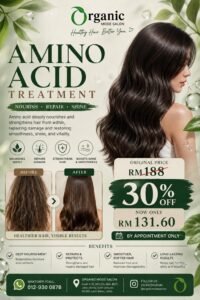
These treatments focus on hydration rather than restructuring the hair. They often use rich conditioners, amino acids or botanical ingredients to restore moisture and soften the hair. The results are more natural and subtle, making them ideal for people who want frizz reduction without altering their hair’s movement or volume.
Organic and Natural Anti-Frizz Treatments
For those who prefer gentler options, organic treatments use plant-based ingredients and avoid harsh chemicals. These are popular at an Organic Hair Salon Johor Bahru, where the focus is on improving hair health while minimising damage. Results may be less dramatic than keratin treatments, but they are often suitable for sensitive scalps and regular maintenance.
Bond-Repair Treatments
Some modern anti-frizz solutions also repair internal hair bonds damaged by colouring or heat. While their primary goal is strengthening the hair, smoother texture and reduced frizz are common side benefits.
How Much Do Anti-Frizz Treatments Cost?
The cost of an anti-frizz treatment varies depending on the type of service, hair length, thickness and salon expertise. Basic smoothing or conditioning treatments are generally more affordable and suitable for regular upkeep. Keratin and specialised treatments require more time, skill and product, which reflects in the price.
While it may be tempting to choose the cheapest option, professional assessment matters. A proper consultation ensures the treatment matches your hair needs and avoids unnecessary damage or disappointment.
What Results Can You Realistically Expect?
Anti-frizz treatments can significantly improve hair texture, but it is important to have realistic expectations. Most treatments will not give you pin-straight hair unless that is their specific purpose. Instead, you can expect smoother strands, less puffiness, improved shine and easier styling.
Results are influenced by aftercare, lifestyle and hair type. Frequent washing, swimming or heat styling can shorten the lifespan of the treatment. Using recommended hair products helps maintain smoothness and prolong results.
It is also worth noting that frizz reduction does not mean zero frizz forever. Hair is a natural fibre, and factors like weather and growth cycles still play a role. The goal is manageability, not perfection.
Who Should Consider an Anti-Frizz Treatment?
Anti-frizz treatments are ideal for people who struggle with constant dryness, puffiness or hair that is difficult to control. They are especially helpful in humid environments, where even healthy hair can become unruly.
However, those with very fine hair should choose carefully, as some treatments may weigh the hair down. People with tight curls should also understand that certain treatments may loosen curl patterns slightly. A professional consultation helps balance your desire for frizz control with your natural texture.
The Importance of Professional Advice
Not all frizz is the same, and not all treatments work equally well for everyone. Visiting a reputable Organic Hair Salon Johor Bahru allows a stylist to assess your hair condition, lifestyle and goals before recommending a suitable option. This personalised approach ensures better results and protects the long-term health of your hair.
Final Thoughts
Anti-frizz hair treatments can be a valuable solution for smoother, more manageable hair when chosen wisely. By understanding the types available, associated costs and realistic results, you can make an informed decision that suits your hair and daily routine. With the right treatment and proper care, frizz becomes far less of a daily struggle and more of an occasional concern.